
Zapallar and Its Relationship with Nature

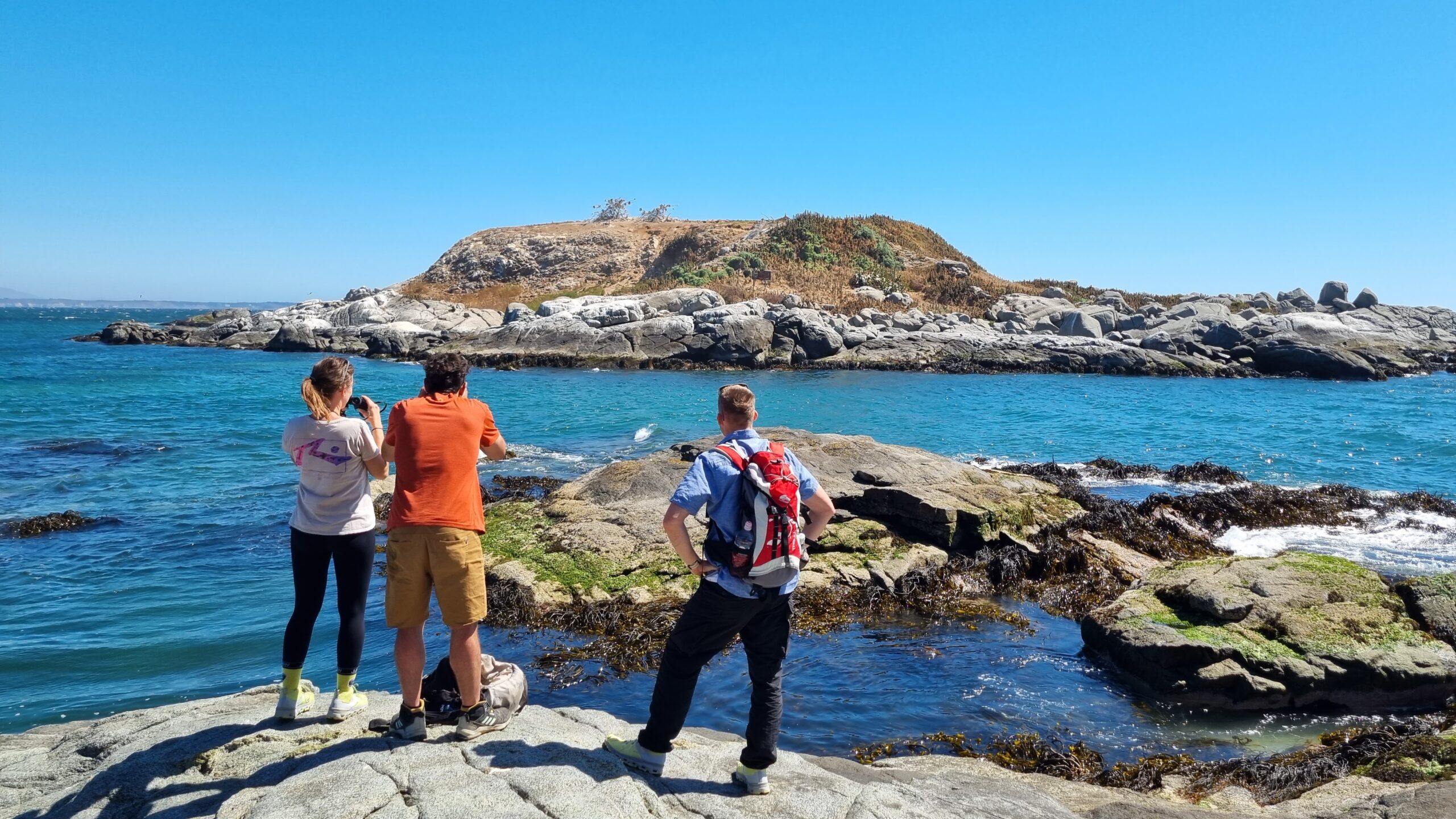


Zapallar is often described as one of Chile’s most beautiful coastal villages, but its true essence lies in the delicate relationship it maintains with its natural surroundings. More than a seaside destination, Zapallar represents a model where landscape, architecture, and local culture coexist in relative harmony.
Nestled between the Pacific Ocean and rolling coastal hills, Zapallar has developed with a strong sense of place. Its urban design respects the natural topography, with houses built into slopes, stone pathways following the contours of the land, and native vegetation preserved as part of the visual identity of the area. This integration allows visitors to experience a seamless transition between built and natural environments.
The coastline itself is a defining feature. Rocky shores, sandy beaches, and small coves create a diverse marine landscape that supports a wide range of species. Seabirds, intertidal organisms, and nearby marine fauna—including the Humboldt penguins found on Cachagua Island—highlight the ecological richness of the area.
Walking along La Rambla, Zapallar’s iconic coastal path, reveals this connection in a tangible way. The sound of the waves, the presence of native flora, and the ever-changing light over the ocean create a sensory experience that goes beyond simple sightseeing. It becomes an immersion in a place where nature is not just a backdrop, but a central character.
At the same time, Zapallar reflects the importance of conservation and responsible tourism. Its relatively controlled development and community awareness have helped preserve both its natural and cultural heritage. However, like many coastal areas, it faces ongoing challenges related to environmental pressure and climate change.
Understanding Zapallar means recognizing this balance. It is a destination shaped not only by its beauty, but by the ongoing relationship between people and nature—a relationship that requires respect, care, and a long-term vision.


BLOG
Heritage, street art and unique secrets
Explosion of colours and forms
Gems of the Pacific in Tapas Way