
The Vascular Flora of the Central Coast of Chile


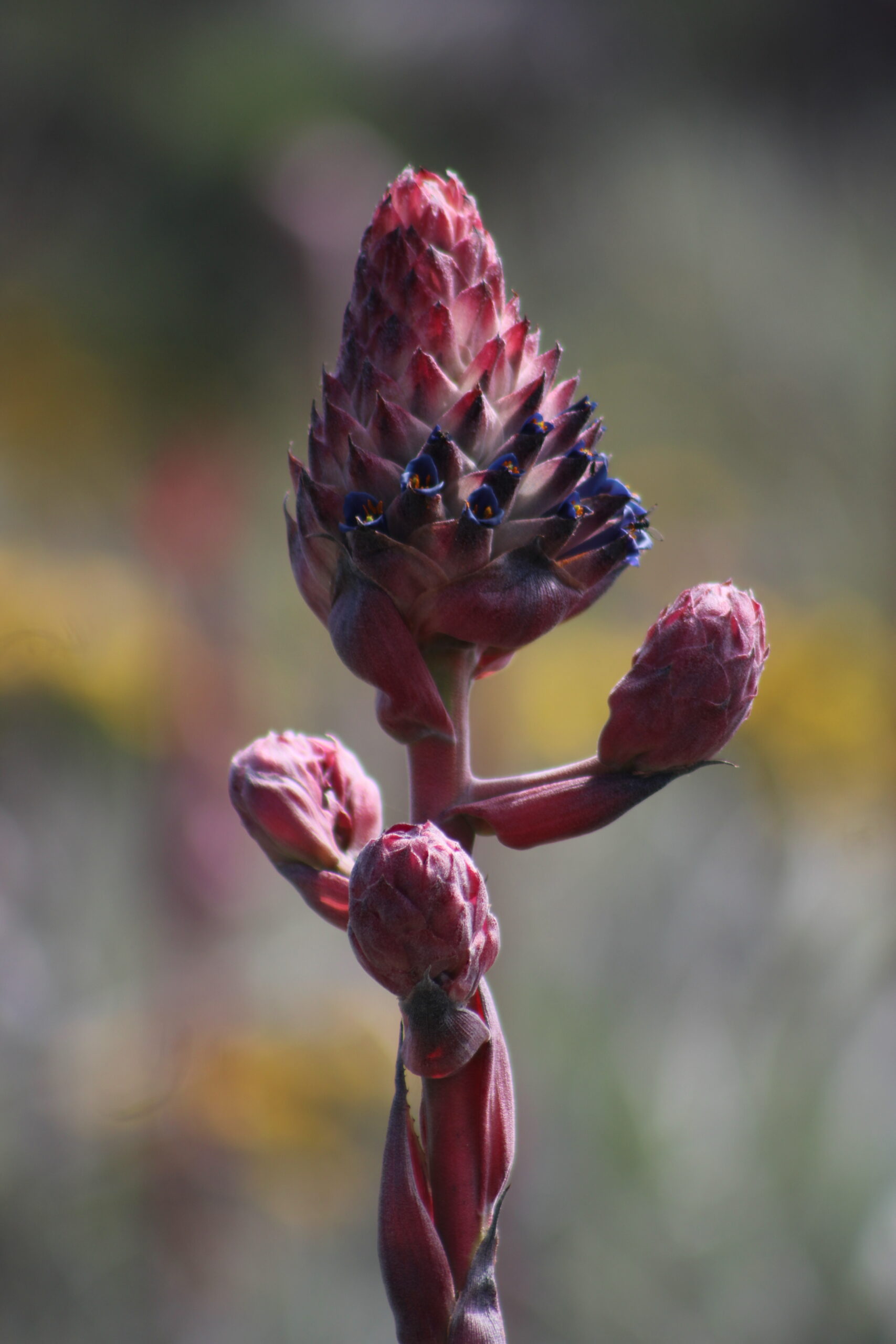
The central coast of Chile is home to a unique and highly specialized ecosystem shaped by the interaction between the Pacific Ocean, coastal mountains, and a Mediterranean climate. Within this environment, vascular flora—plants with specialized tissues for transporting water and nutrients—play a fundamental role in sustaining biodiversity and ecological balance.
This region is part of the Chilean biodiversity hotspot, recognized globally for its high levels of endemism. Many plant species found along the central coast exist nowhere else on Earth. From hardy coastal shrubs to perennial herbs and small trees, these plants have evolved remarkable adaptations to survive in conditions defined by salty winds, seasonal drought, and poor soils.
Among the most characteristic plant communities is the coastal sclerophyllous vegetation, where species such as boldo (Peumus boldus), litre (Lithrea caustica), and quillay (Quillaja saponaria) thrive alongside cacti and low-growing shrubs. In more exposed areas, especially near cliffs and rocky outcrops, plants develop compact forms and waxy or hairy leaves to reduce water loss and withstand constant ocean spray.
Seasonality plays a key role in shaping the landscape. During the wetter months, a burst of green transforms the hillsides, and ephemeral wildflowers emerge, adding color and diversity to the terrain. In contrast, the dry summer months reveal the resilience of this flora, as many species enter dormant states or rely on deep root systems to access water reserves.
Beyond their ecological importance, these plants are deeply connected to Chile’s cultural and natural heritage. Many species have been traditionally used for medicinal, culinary, or ritual purposes, reflecting a long-standing relationship between people and landscape.
Exploring places like Zapallar offers a unique opportunity to observe this flora up close. Walking along coastal trails or through native forest patches reveals a living system shaped by time, climate, and geography—one that invites both admiration and responsibility for its conservation.


BLOG
A trip of diferent grapes inside of Chile
The biodiversity of the Central Coast
The guardian of the Andes