
The Central Andes: Sublime Before Us


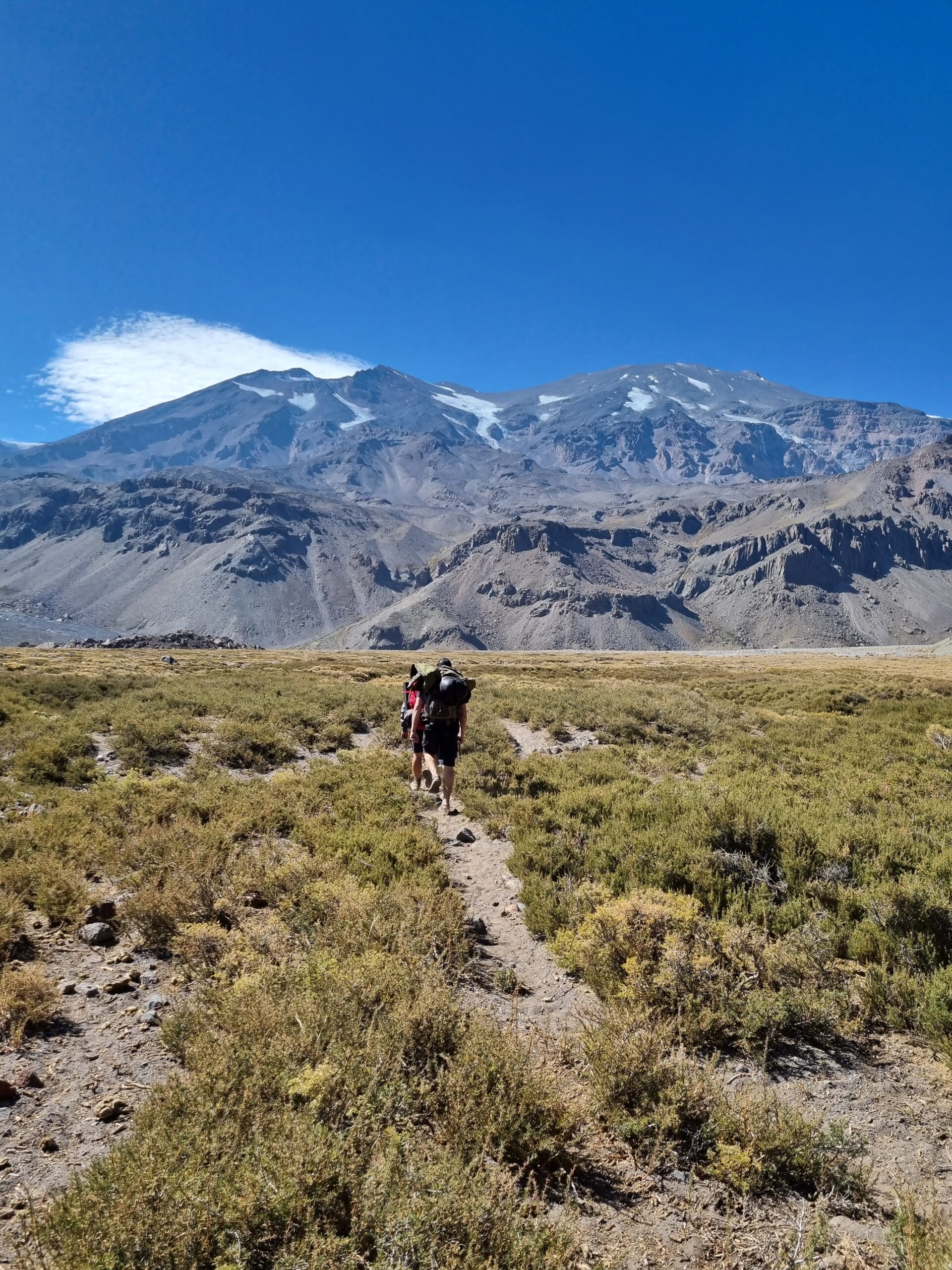
Rising dramatically to the east of Santiago, the central Andes form one of the most striking landscapes in South America. Their presence is both immediate and monumental—visible from the city, yet vast and complex beyond what first meets the eye.
Geologically, the Andes are the result of millions of years of tectonic activity, where the Nazca Plate subducts beneath the South American Plate. This ongoing process has shaped a mountain range defined by sharp peaks, deep valleys, active volcanoes, and glacial formations. It is a dynamic environment, constantly evolving and responding to natural forces.
In the central region of Chile, the Andes also play a crucial role in water systems. Snow accumulation during winter feeds rivers that sustain both ecosystems and human populations throughout the year. The seasonal cycle of snow and meltwater defines life in the valleys below, linking high mountain processes with everyday life in the lowlands.
Ecologically, the Andes host a range of habitats that change rapidly with altitude. Lower slopes are characterized by sclerophyllous vegetation, while higher elevations give way to alpine environments where only the most resilient species can survive. Wildlife such as condors, foxes, and guanacos inhabit these spaces, adapted to the harsh and variable conditions.
Yet beyond science and ecology, there is an undeniable emotional dimension to the Andes. The scale, silence, and raw beauty of the mountains create a sense of awe that has inspired cultures for centuries. For many, entering the Andes is not just a physical journey, but an experience that shifts perspective—one that invites reflection and connection with something larger.
To stand in front of the central Andes is to witness a landscape that is both powerful and fragile. It reminds us of the forces that shape our world and the importance of preserving these environments for future generations.


BLOG
Chile, homeland of this special species
A treasure rounded by mountains
Heritage Grapes, Like Pais,